

Research & Reports
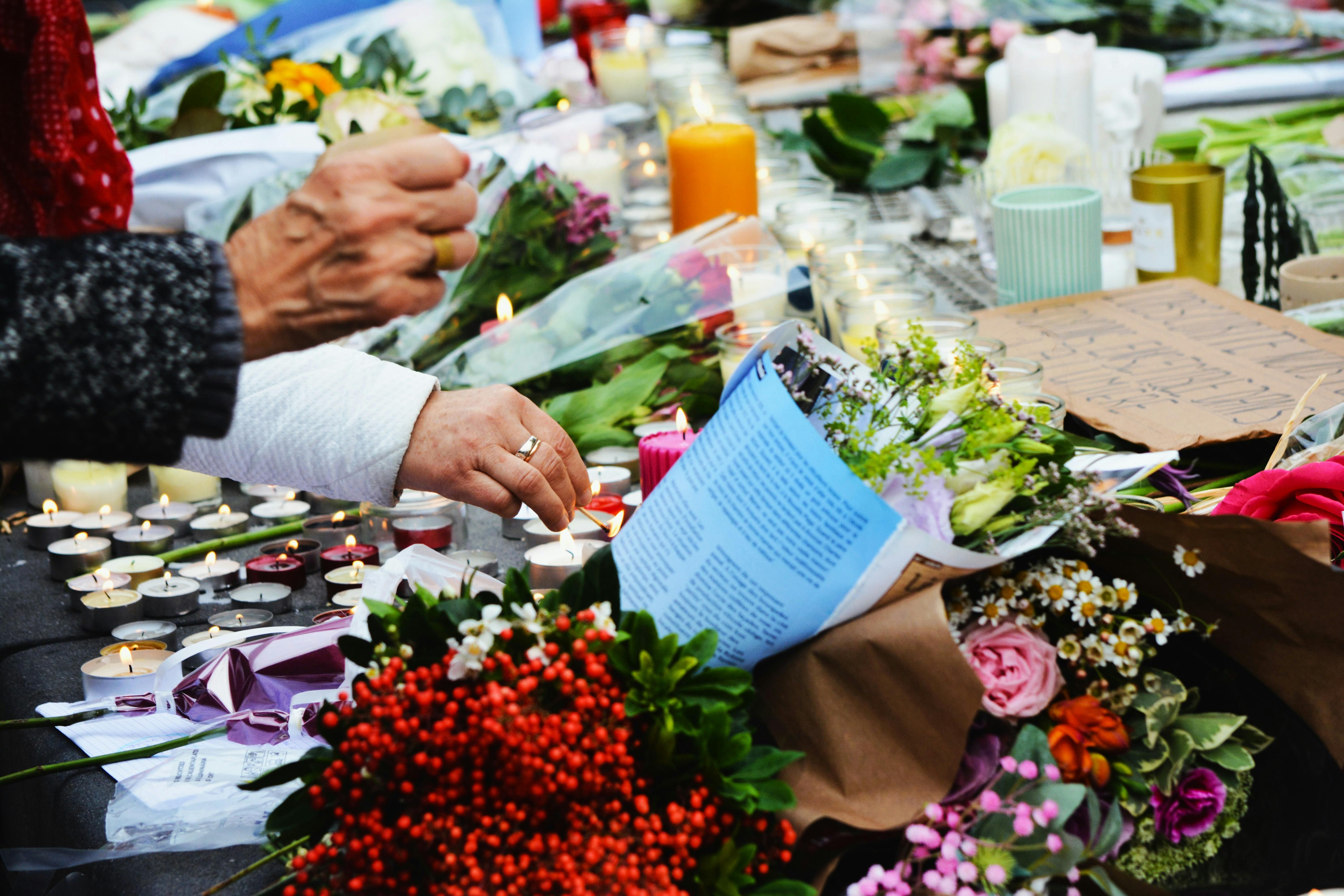

You’ve felt it before.
A service begins quietly. A few people take their seats, voices low, programs folded in their hands. Then more people arrive. Someone from down the street. A former coworker. A friend the family didn’t expect to see.
The room doesn’t just get fuller, it changes. Shoulders drop. Conversations begin. The weight of the moment is still there, but it feels shared now.
Grief is often described as deeply personal, but it is also profoundly social.
Research in psychology shows that people process loss not only through reflection, but through connection with others. Being around those who recognize the same name, share a memory, or simply understand the significance of the loss can help regulate emotion and reduce the sense of isolation that often comes with grief.
In simple terms, we make sense of loss together.
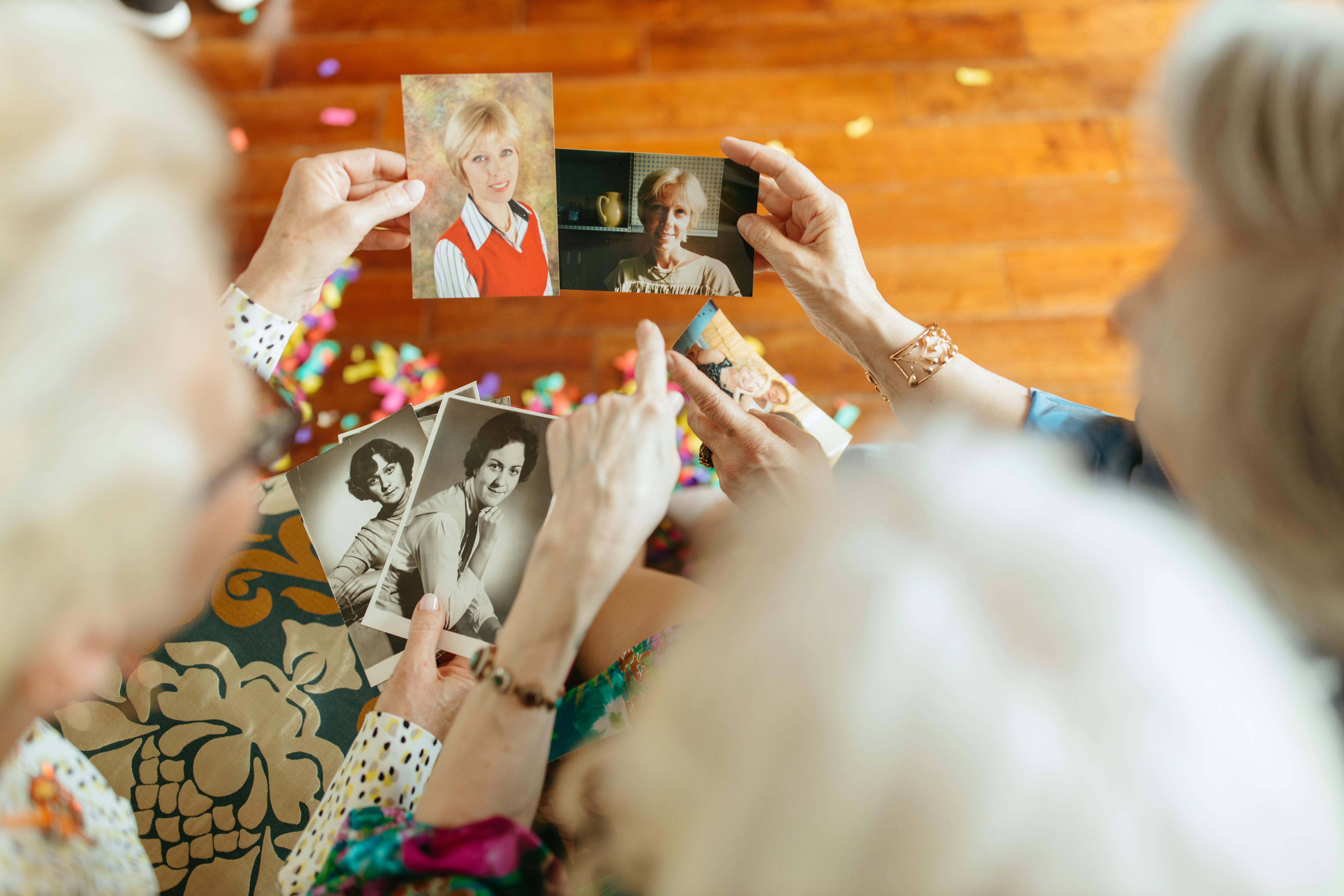
That’s part of why gatherings, rituals, and shared moments have always mattered. They create a structure where people can experience something difficult side by side instead of carrying it alone.
There’s another layer to this that families feel, even if they don’t always put words to it.
It’s not just about who is physically present. It’s about who knows.
When someone passes, there is often a quiet hope that the people who mattered to them will hear about it. That their name will be recognized, that their life will be acknowledged beyond a small circle.
From a behavioral standpoint, this kind of recognition plays a role in how people process grief. When others acknowledge the loss, it reinforces that the life had meaning and impact. It helps move grief out of isolation and into shared experience.
Without that awareness, something can feel incomplete, even when everything else has been done with care.
The challenge is not a lack of care. It’s distance.
Relationships today stretch across time, geography, and different parts of life. The people who would want to be there are not always nearby, and they are not always in immediate contact.
Even within close communities, it’s easy for someone to miss the moment. A name not recognized in time. A service passed by unknowingly. A missed opportunity to show up, or simply to acknowledge the loss.
When that happens, it doesn’t just affect attendance. It affects the shared experience that helps people process what’s happened.
In the middle of all of this, your role remains steady.
You create the space where connection can happen. You guide families through decisions that help reflect a life honestly. You hold the structure that allows people to gather, share stories, and recognize what has been lost.
From the outside, it can look like logistics. From the inside, it’s something much deeper. You’re helping create an environment where people can process grief together, where they can see and be seen by others who understand the same loss. That work aligns closely with what research tells us people need most in these moments.
Long after the service ends, people remember who showed up. Not just physically, but emotionally. Who reached out. Who acknowledged the loss. Who made it feel shared rather than solitary.
 Those moments don’t remove grief, but they shape how it’s carried. They remind people that what they’re feeling is understood, that the person they lost mattered to more than just a few.
The science behind community connection during loss is not complicated. People need to feel seen, and they need to know that others see it too.
You’re already creating the conditions for that every day through the spaces you hold and the care you provide. And in a time when connection can feel more scattered, that role carries even more meaning.