

Research & Reports
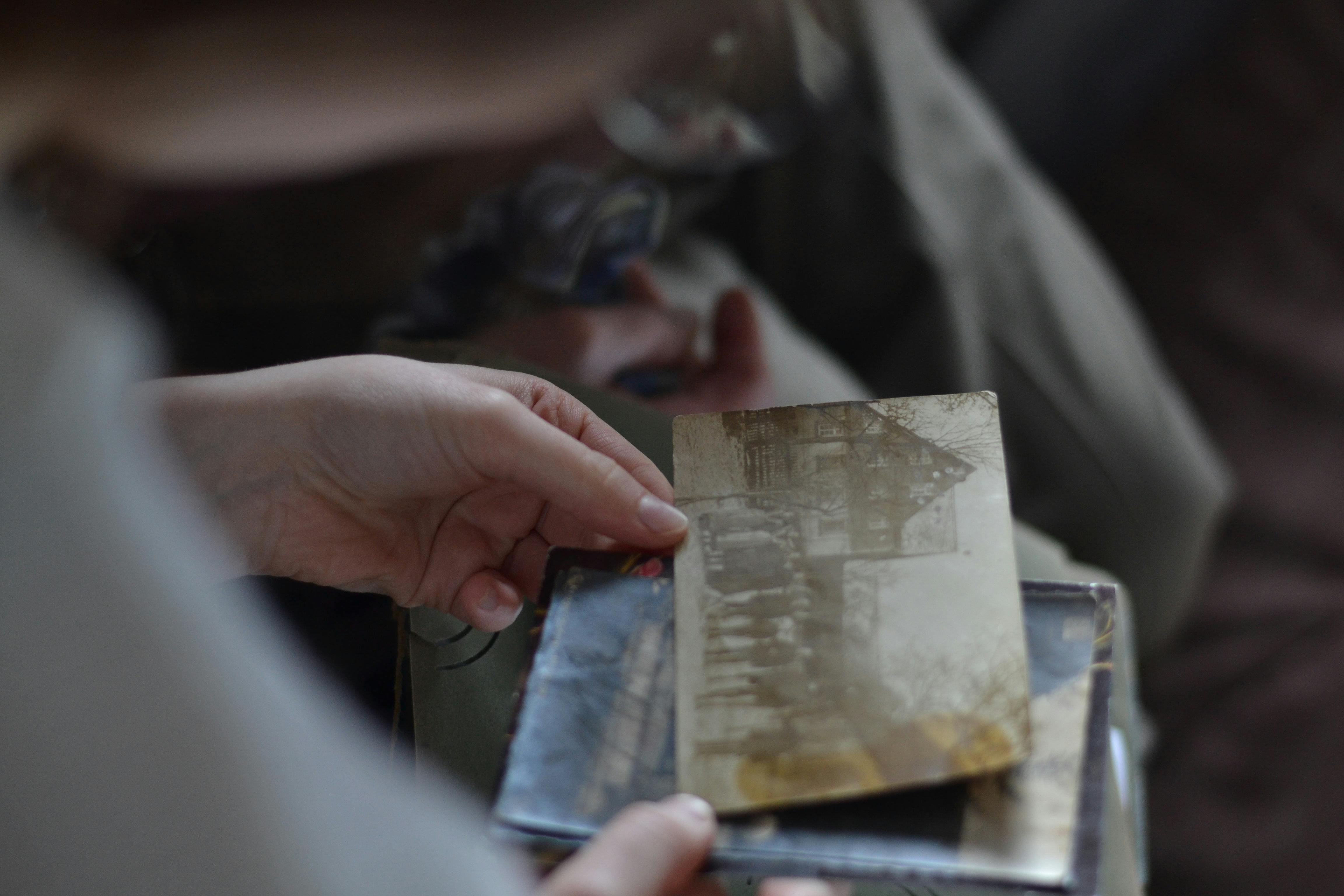

Sometimes the most meaningful moment in a service happens quietly.
A daughter stands beside a photo board laughing through tears as she explains why her father always carried butterscotch candies in his coat pocket. A grandson shares a voicemail he saved years ago because he could never bring himself to delete it. The room softens as people recognize pieces of the person they loved.
Funeral directors witness these moments every day. You create the space where families gather not only to mourn, but to tell the stories that make someone feel present again, even for a few minutes.
In recent years, there has been growing research around narrative therapy and storytelling in grief support. Mental health professionals, hospice workers, and bereavement specialists have all observed something funeral professionals have understood for a long time, people process loss through memory, conversation, and shared meaning.
Stories help families make sense of emotions that can feel impossible to organize all at once. They reconnect people with identity, relationships, and community during periods of grief.
At the same time, the way families gather and communicate has changed. Loved ones often live in different states, travel less frequently, or rely on digital spaces to stay connected. Obituaries that once reached an entire town through a local newspaper can now be missed by extended friends or community members scrolling quickly through busy days online.
That shift has created a deeper need for lasting spaces where remembrance can continue after the day of the service.
For many funeral homes, memorial websites have naturally become part of that continuation. Not because they replace in-person gatherings, but because they give families another place to revisit stories, photographs, videos, condolences, and shared memories over time.
One of the most powerful parts of storytelling in end-of-life care is how personal details begin to shape the atmosphere around remembrance.
A family member uploads a photo from a fishing trip in the 1980s. Someone shares a recipe card written in their mother’s handwriting. A childhood friend leaves a guestbook message about sneaking into baseball games together decades earlier.
Piece by piece, a fuller picture begins to emerge.
That process can feel deeply grounding for grieving families. Research around narrative therapy often centers on the idea that storytelling helps people maintain connection while moving through loss. In funeral service, that connection already exists naturally in the conversations happening before, during, and after a service.
Memorial websites simply give those memories a place to continue living.
For younger generations especially, digital storytelling has become part of how family history is preserved. A grandson revisits a tribute video years later. A relative living overseas reads condolences they could not hear in person. Stories that once lived only in the room remain accessible for the people who need them most.
 Often, the details families return to are the smallest ones, the laugh everyone recognized instantly, the recipe only one person could make, the story repeated at every holiday gathering.
That kind of remembrance creates connection not only for immediate family, but for the wider community as well.
Funeral directors have always played an important role in helping communities stay connected during times of loss. Whether through local relationships, printed obituaries, or word-of-mouth support, your work helps families feel surrounded by care.
Today, storytelling simply reaches people in more ways.
Memorial websites, video tributes, and local TV broadcast death notices and service announcements allow remembrance to extend beyond physical distance. Someone who cannot attend in person can still leave a message, watch a memorial video, or share a memory with the family. Neighbors who may not have seen a newspaper obituary can still learn about services and offer support.
At Chptr, we think about storytelling through that lens of connection first.
Our role is not to change the traditions funeral homes have built over generations. It is to help amplify the care and visibility already surrounding each family. Through memorial websites, broadcast memorials, and video storytelling, we help funeral homes extend the reach of remembrance in ways that still feel personal and community-centered.
For many families, those tools become part of the grieving process itself.
A daughter revisits the memorial page late at night to reread guestbook messages. A family shares a tribute video with relatives overseas. A local viewer sees a broadcast memorial and reaches out with condolences the family may not have received otherwise.
These moments are quiet, but meaningful.
And for funeral homes balancing deep family care with increasing day-to-day demands, having storytelling tools that continue supporting families after the service can strengthen both connection and trust within the community.
Every funeral service holds stories that families will carry for the rest of their lives. Some are spoken at the podium. Others happen in hallways, around coffee tables, or in conversations after everyone else has gone home.
Those stories matter because they help people feel connected, understood, and remembered.
Funeral directors already create the foundation for those moments through the care and guidance you provide families every day. We’re proud to support that work through memorial websites, video storytelling, and local community partnerships that help remembrance continue long after the service itself.
Because often, what families hold onto most is not only the ceremony. It is the feeling that the people and stories they loved are still being shared.