
Research & Reports


There’s a moment many directors recognize. The family has chosen cremation, the paperwork is nearly complete, and the room feels a little quieter than it used to. Fewer decisions on paper, but not necessarily fewer emotions in the room.
That space, the pause between what’s selected and what still needs to be expressed, has become more familiar.
The cremation impact on funeral revenue is something most funeral homes have felt gradually, not all at once. Services have become simpler in structure, but the expectations around meaning, connection, and remembrance have not faded. If anything, they’ve become more personal.
The numbers tell part of the story. According to NFDA trend data, the U.S. cremation rate has risen from roughly 25% in 1999 to approximately 57% in 2021 and is projected to exceed 80% by 2045. At the same time, direct cremation has steadily gained share, contributing to ongoing pressure on traditional revenue models.
But the shift toward direct cremation doesn't necessarily mean families want less remembrance. More often, it means they're looking for different ways to express it.
Families are still looking for a way to see a life reflected back to them. They just aren’t always finding that within a traditional format.
At the same time, communities haven’t stopped paying attention. They still want to know who has passed, they still want a way to show up, even if they can’t physically be there.
This is where the shift starts to feel less like a reduction and more like a redirection.
You already see it in small moments. A daughter scrolling through her phone looking for the right photo. A friend asking if the service will be shared anywhere. A family wondering how to include people who live out of state.
None of this is new to you. It’s just happening more often, and more quietly.
When we talk about funeral home revenue opportunities, it’s easy for the conversation to drift toward products or packages. But what’s consistently resonating with families is something more familiar to you: connection.
In fact, NFDA funeral home reporting shows that nearly 60% of cremation families still choose some form of service, whether that’s a memorial gathering or a traditional funeral followed by cremation. The desire to come together, share stories, and honor a life hasn’t disappeared. It’s simply showing up in different ways.
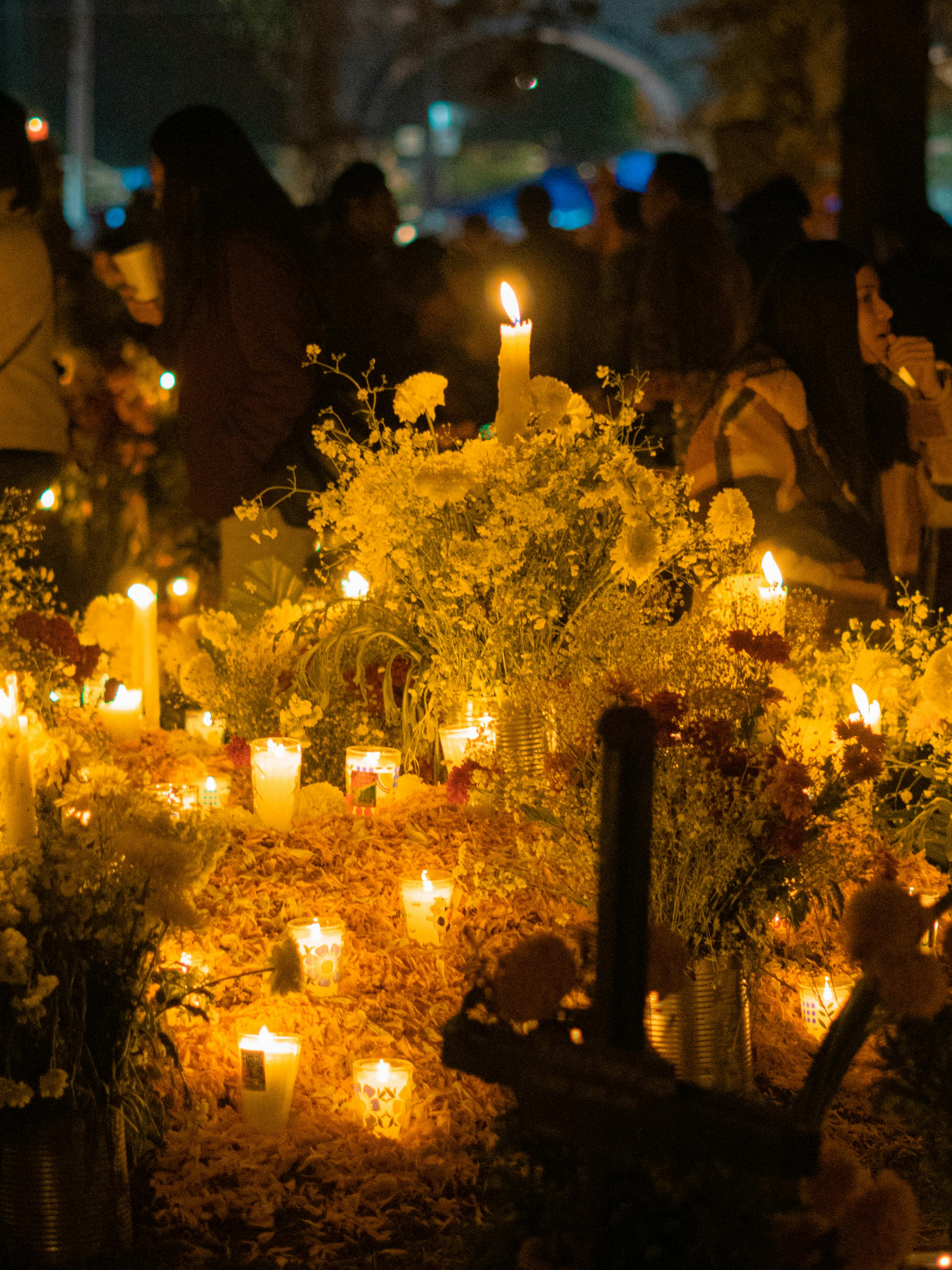 Not bigger services, not more elaborate options, just a clearer way for people to participate, remember, and feel included.
Sometimes that looks like a room filled with people. Sometimes it looks like a story that travels beyond it.
What’s changing isn’t the care you provide. It’s how far that care can reach.
A service used to end when the doors closed or when the last car left the procession. Now, there’s an opportunity for that moment to continue in a way that feels natural to how people live and communicate.
A short video shared with the community. A familiar face appearing during a local broadcast. A story that reaches someone who didn’t know there would be a service, but would have come if they had.
These are not replacements for what happens in your chapel or your arrangement room. They’re extensions of it.
And in many cases, they become part of how families measure the experience. Not by how much was added, but by how many people were able to feel included.
If families are looking for different ways to remember and connect, funeral homes need ways to support those experiences without changing the care they already provide.
Through short-form memorial videos and local broadcast partnerships, Chptr helps make those stories visible in the places communities are already paying attention. It allows the care you’ve given a family to reach beyond the immediate circle, without asking you to change how you serve.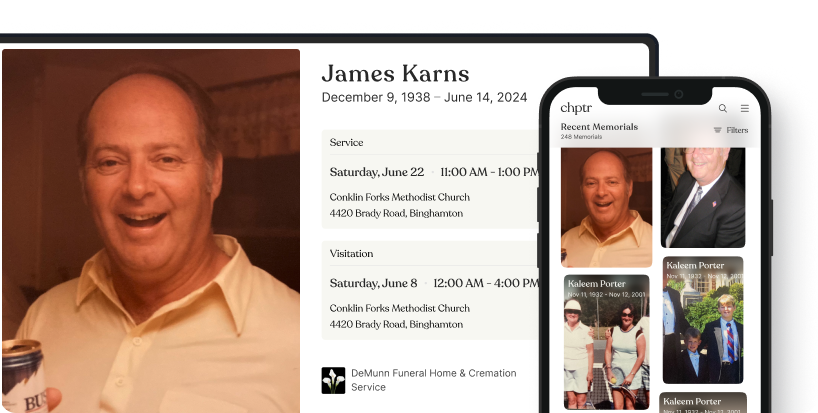 We’re not stepping into the arrangement room. We’re working from what’s already been shared there, the photos, the details, the tone of the family’s story, and helping it live in a format that feels accessible and familiar to a wider audience.
For some families, that means a friend across the country sees the memorial on their hometown news website, a site they still check every day, and reaches out. For others, it means a local viewer recognizes a name and face and shares a memory, helping the family realize their loved one made an impact on far more people than they ever knew. In those moments, what begins as an announcement becomes something more: a reminder that a life touched a community, not just a family.
From a business perspective, these moments naturally open the door to additional funeral home revenue opportunities, but they don’t feel like add-ons. They feel like a continuation of care.
The shift toward cremation hasn’t changed why families come to you. It hasn’t changed the trust they place in you to guide them through a difficult moment.
What’s changing is how that moment can be carried forward.
There’s space now to let stories travel a little further, to let more people feel included, and to reflect a life in ways that match how communities stay connected today.
If you’re already noticing those small questions from families, wondering who else can see this, how to share it, how to include someone who can’t be there, you’re already standing in the middle of that shift.
We’re here to help extend what you’re already doing, in a way that feels natural to your work and meaningful to the families you serve.