

Research & Reports


In the fog of grief, families often leave your arrangement room only to realize hours or days later that they forgot to ask something important. Not about the big decisions, those usually get covered, but about the practical details, the small logistics, and the questions they didn’t even know they should ask.
There’s no way to anticipate everything. Grief affects memory and decision-making in ways that make it nearly impossible for families to think clearly in the moment. But if you’ve been in this profession for any length of time, you already know the calls that come later, the questions that surface after they’ve left, and the moments of confusion that could have been prevented.
This isn’t a checklist to use in the arrangement room because families are already overwhelmed. Instead, it’s a reference for the conversations that happen after, the follow-up calls you make, and the materials you might consider putting in their hands as they leave.
These are questions families often think of on their way to meet with you but forget to ask once they arrive:

(Questions They Think But Don’t Ask)
Families often sit across from you with thoughts they’re too embarrassed, overwhelmed, or unsure to voice:
16. Am I taking too long to decide?
17. Is this question stupid?
18. Are you annoyed with me?
19. What do most people choose?
20. What would you do if this was your family member?
21. Am I being disrespectful by asking about cost?
22. Is it okay that I don’t want what everyone expects me to want?
23. What if I change my mind later?
24. Are you telling me everything, or just what I ask about?
25. Is it normal that I feel numb right now?
26. What if I can’t remember everything you’re telling me?
27. Should I be taking notes?
28. Is it okay to laugh if something reminds me of a happy memory?
29. What if I need a break?
30. Am I allowed to say I’m not sure yet?
These logistics surface later, often because families assume they’re obvious or that they’ll figure them out on their own:
31. How early should family arrive before the service?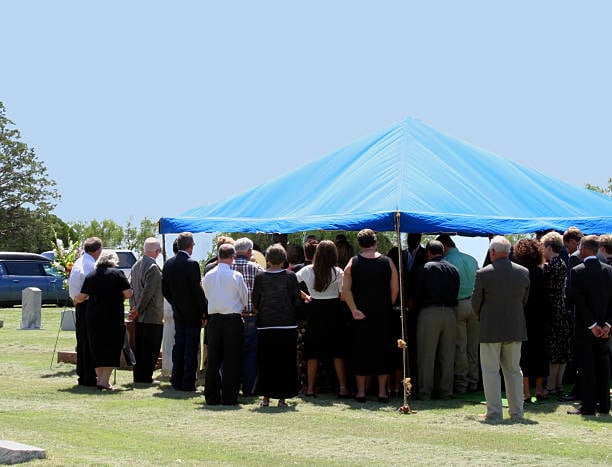
Families often struggle with how to inform their community. These questions arise when they’re alone, writing messages or making calls:
51. Who should I call first?
52. How do I tell people if I don’t want to talk on the phone?
53. What if I don’t know how to reach some of their friends?
54. Should I post on social media, or is that disrespectful?
55. What do I say to people who didn’t know they were sick?
56. How do I tell people who live far away?
57. What if someone finds out through someone else, will they be hurt?
58. Should I include service details when I tell them, or is that too much?
59. What if I don’t want certain people to come?
60. How do I let their workplace know?
61. What do I say to young children about what happened?
62. Should I tell people how they died, or is that private?
63. What if I don’t have everyone’s contact information?
64. How do I handle people calling me over and over asking the same questions?
65. What if people want to help, but I don’t know what I need?
These are the questions that emerge once everyone has left and families are alone with their grief:
66. What do I do with the flowers?
67. How long until I receive the death certificates?
68. What should I do with the guest book?
69. Who do I need to notify about the death, such as banks or insurance companies?
70. When can I pick up their personal items?
71. What happens to cards people sent?
72. Should I send thank-you notes, and to whom?
73. What do I do with memorial donations people made?
74. When is it appropriate to go through their belongings?
75. What if people keep asking me how I’m doing and I don’t know what to say?
76. Is it normal to feel relief?
77. Is it normal to feel nothing at all?
78. What if I regret decisions I made?
79. What do I do with the service program?
80. Can I get a recording or photos from the service?
These are the questions that surface long after the service, when families realize they wish they’d done something differently or need guidance they didn’t know to ask for:
81. How do I handle the first holidays without them?
You can’t answer every question before it’s asked. Grief is unpredictable, and every family’s needs are different. But knowing these questions exist, the ones they forget, the ones they’re afraid to ask, the ones that surface later, helps you serve them better.
Not by trying to address everything in the arrangement room, but by being available when they call back. By putting something in their hands as they leave that says, “You’ll think of more questions later, and that’s okay. Here’s how to reach me.”
Because the truth is, families don’t just need a funeral director during the arrangement. They need someone who understands that the hardest questions often come later, when everyone else has moved on.